The WWF is run at a local level by the following offices...
- WWF Global
- Adria
- Argentina
- Armenia
- AsiaPacific
- Australia
- Austria
- Azerbaijan
- Belgium
- Bhutan
- Bolivia
- Borneo
- Brazil
- Bulgaria
- Cambodia
- Cameroon
- Canada
- Caucasus
- Central African Republic
- Central America
- Central Asia
- Chile
- China
- Colombia
- Croatia
- Democratic Republic of the Congo
- Denmark
- Ecuador
- European Policy Office
- Finland

Gender Equality and Social Inclusion
Climate Change
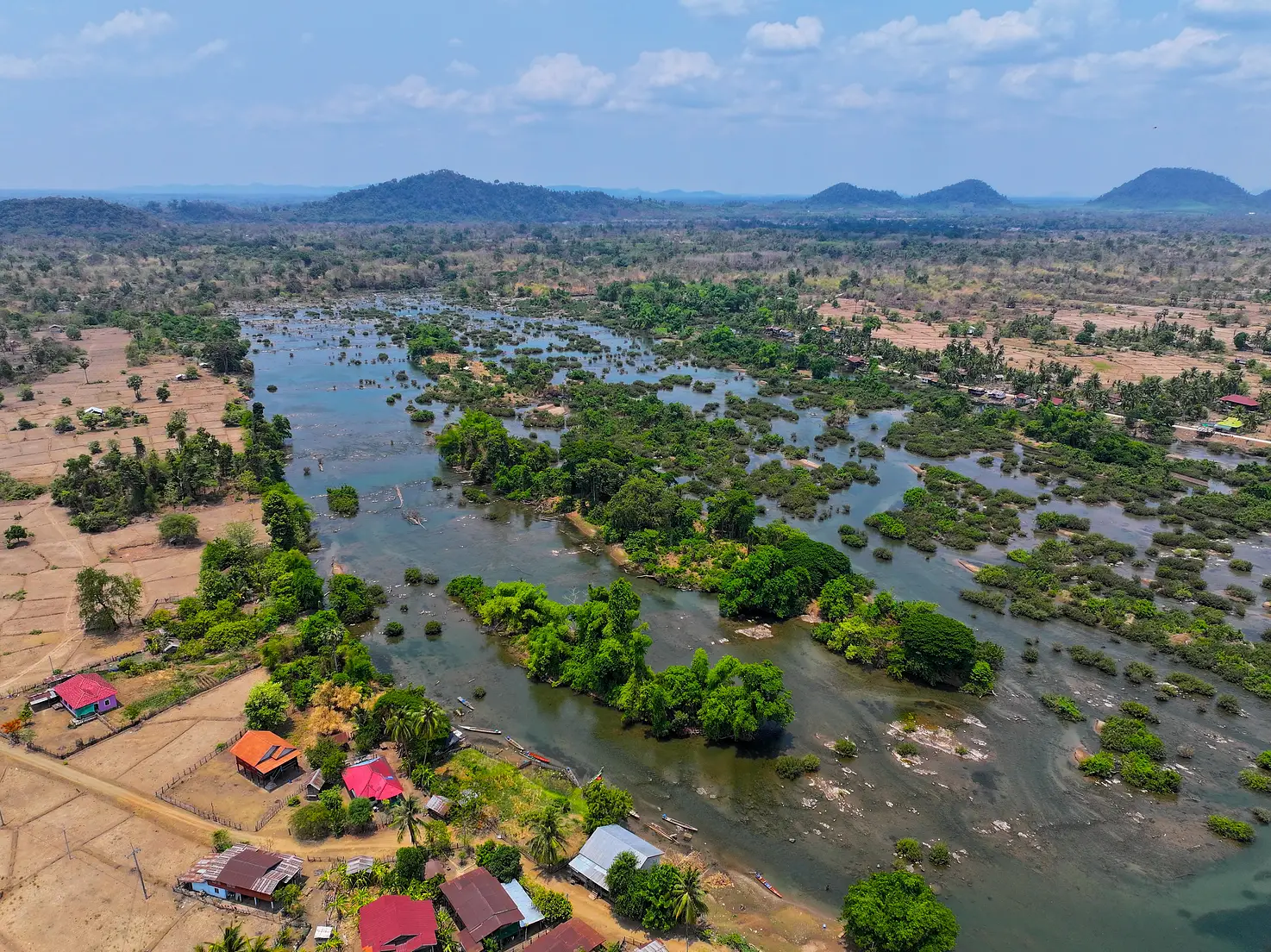
Climate change is a major threat to biodiversity, ecosystems, and rural livelihoods. WWF-Laos integrates climate adaptation and mitigation across all programmes, linking forest restoration, watershed protection and circular economy solutions. Through its circular resilience work, WWF-Laos supports delivery of national targets related to the United Nations’ Framework Convention on Climate Change, while helping communities adapt to floods, droughts and heatwaves.
Focus areas include ecosystem-based adaptation, climate-smart agriculture, and pollution reduction to protect both people and nature in a changing climate.

Environmental and Social Safeguards
These safeguards help identify, prevent, and respond to potential environmental and social impacts, while upholding the rights of local people, promoting gender equality, and ensuring inclusive conservation. In Laos, we apply these tools across our landscapes to foster transparency, build trust, and ensure that conservation benefits people and nature alike.

Sustainable Food and Agriculture
Through agroecology, climate-smart techniques, and reduced pesticide use, we work with farming communities – especially women and youth – to secure food sources, improve soil health, and reduce environmental pressure. These efforts align with national green growth policies and global goals for food system transformation, ensuring a future where both people and nature can thrive.

PARTNERSHIPS
Partnership is at the heart of WWF-Laos’ conservation approach. From local communities to high-level government agencies, strategic collaboration drives lasting impact. WWF-Laos works closely with ministries, civil society, the private sector and development partners to co-create solutions that are inclusive, practical and scalable.
At regional and global levels, WWF-Laos contributes to transboundary platforms and supports international frameworks such as the United Nations’ Global Biodiversity Framework, Framework Convention on Climate Change and Sustainable Development Goals – positioning Laos as an active player in global conservation and collective action for people and nature

Policy Advocacy and Public Engagement